Logo

MEDICALHOLODECK®

SPATIALS

Spatial Imaging for
PC · Virtual Reality · 3D Display · 2D Display

Coming soon
Top Use cases Setup Hardware

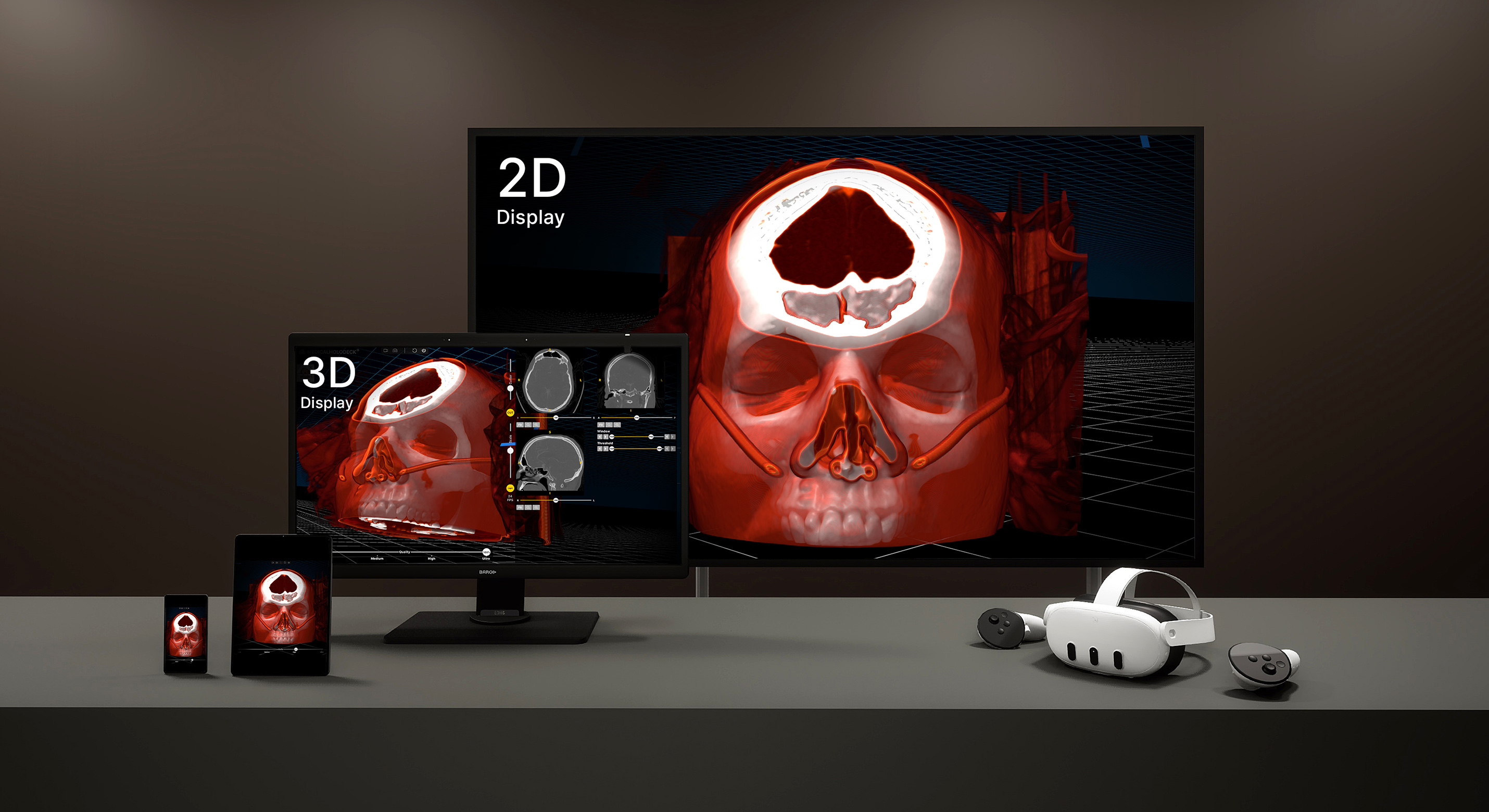
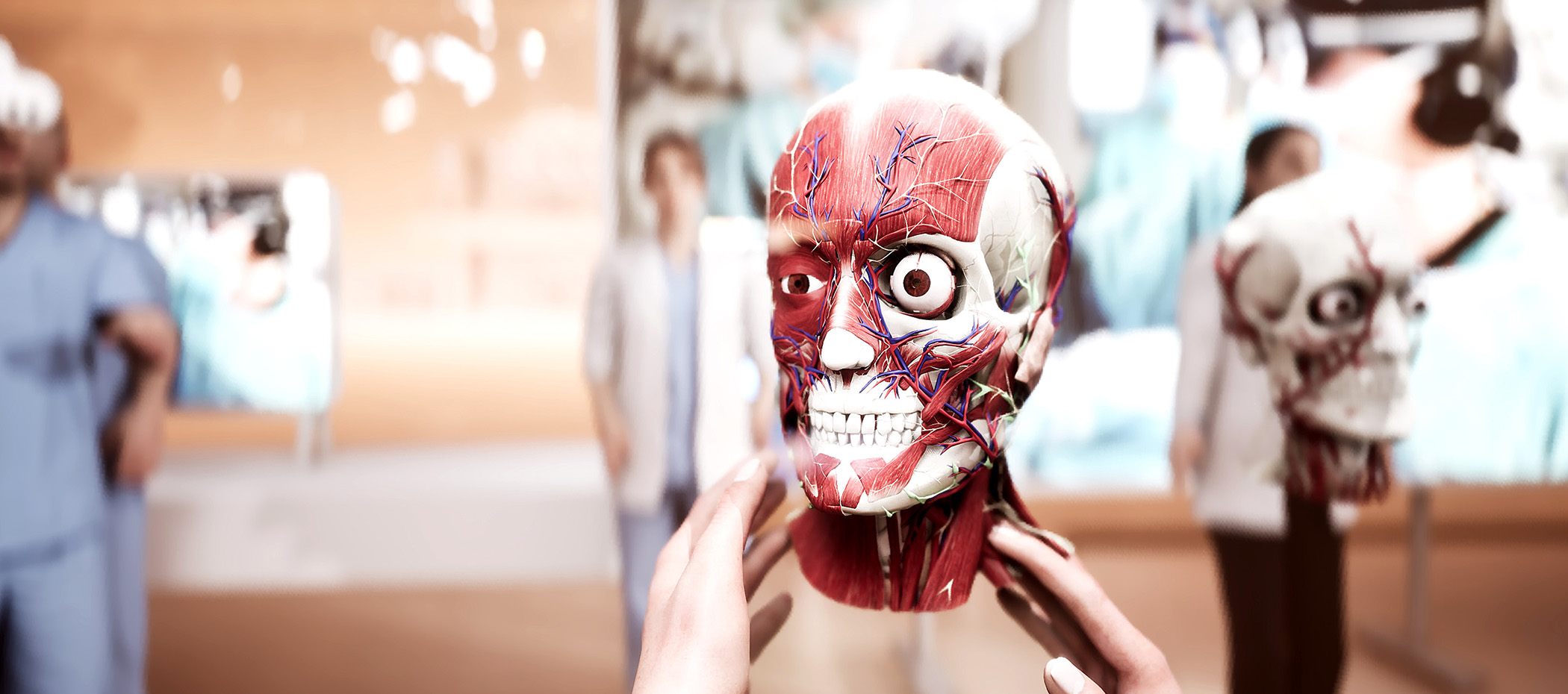
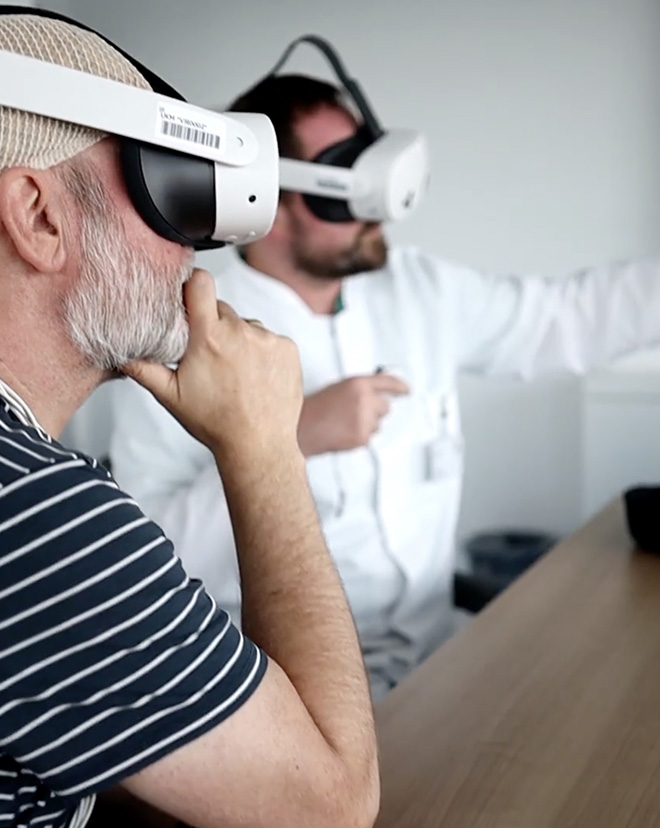
Spatial OS is a software platform for spatial medical imaging and visualization. It runs in parallel on glasses-free stereoscopic 3D displays, virtual reality headsets, and standard 2D screens, allowing clinical teams to work with the same data on the hardware best suited to their role. Doctors, radiologists, and surgeons can explore and discuss patient-specific medical data in true three dimensions, supporting communication, case discussion, and training.

Download Contact

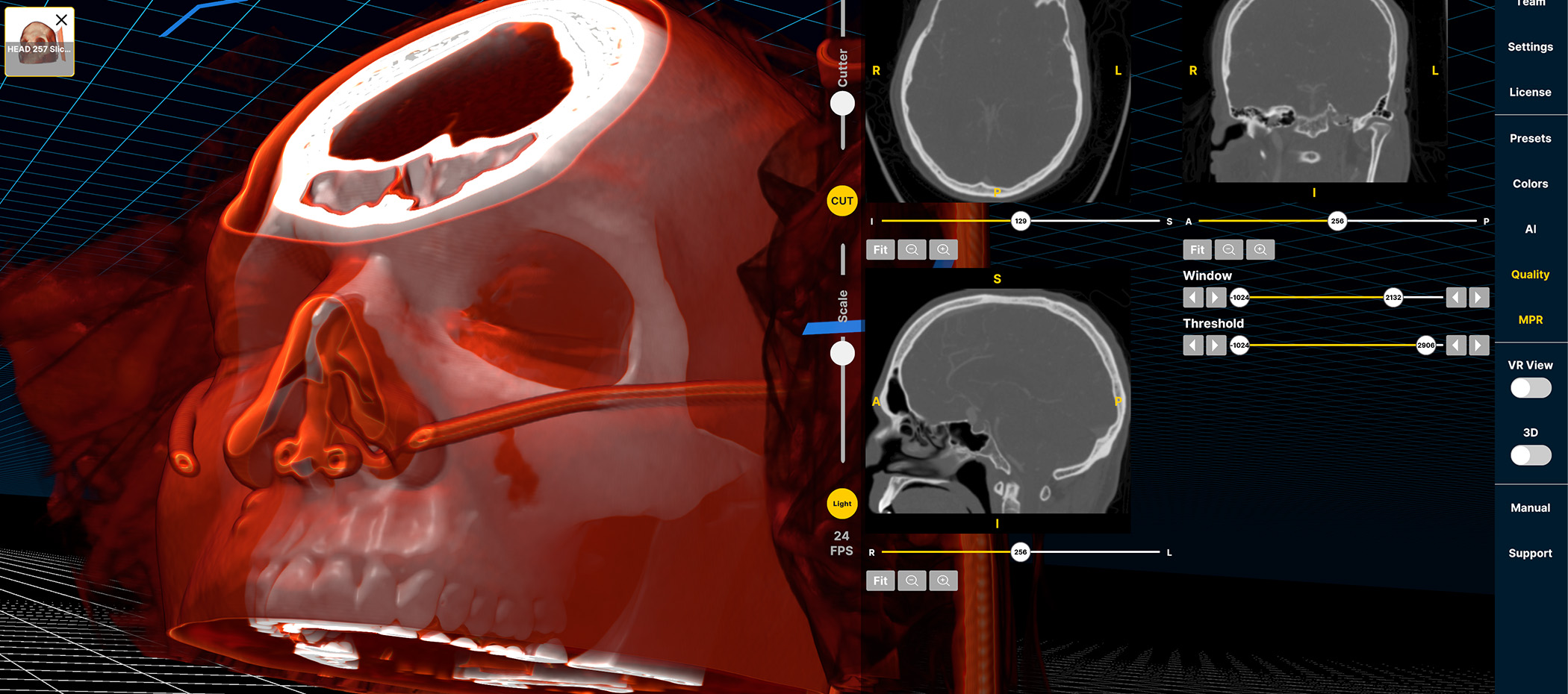
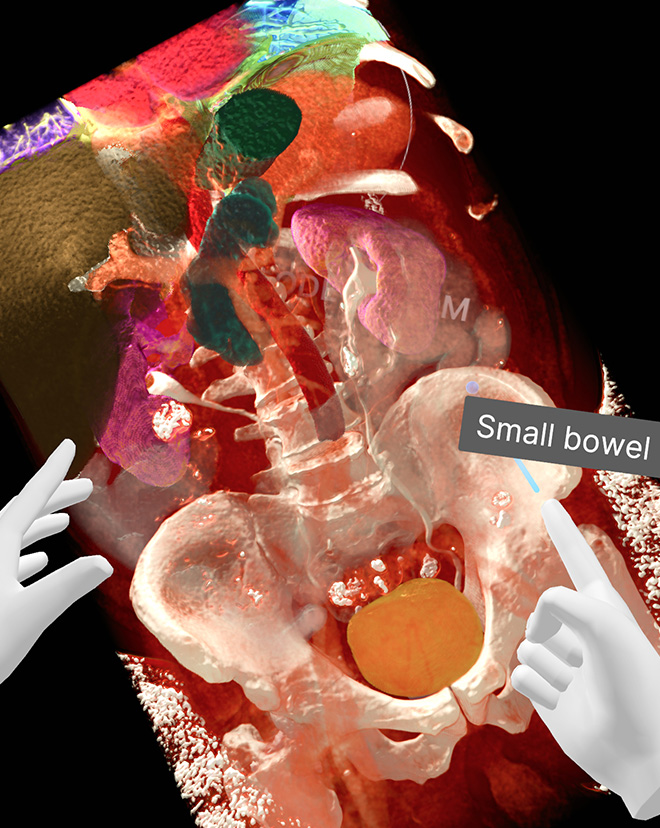
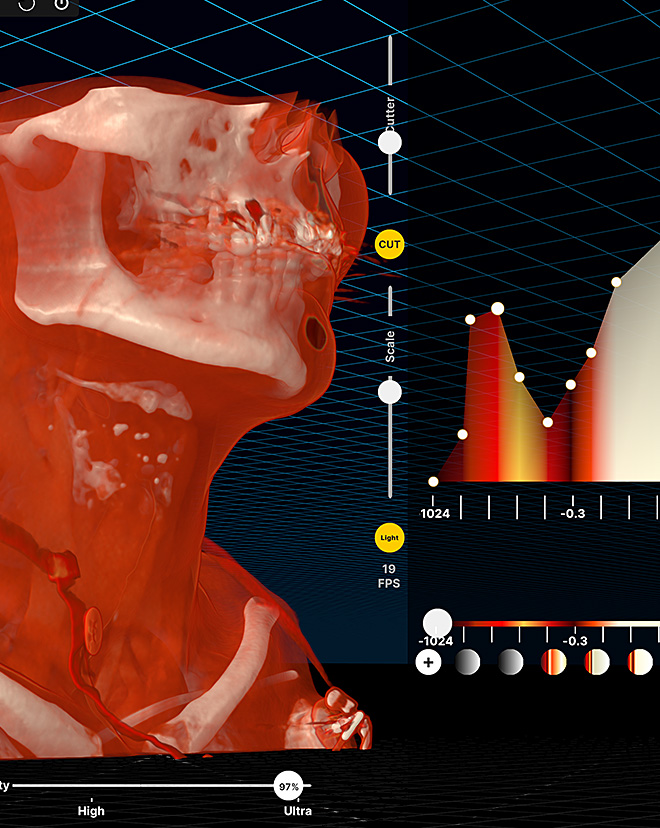
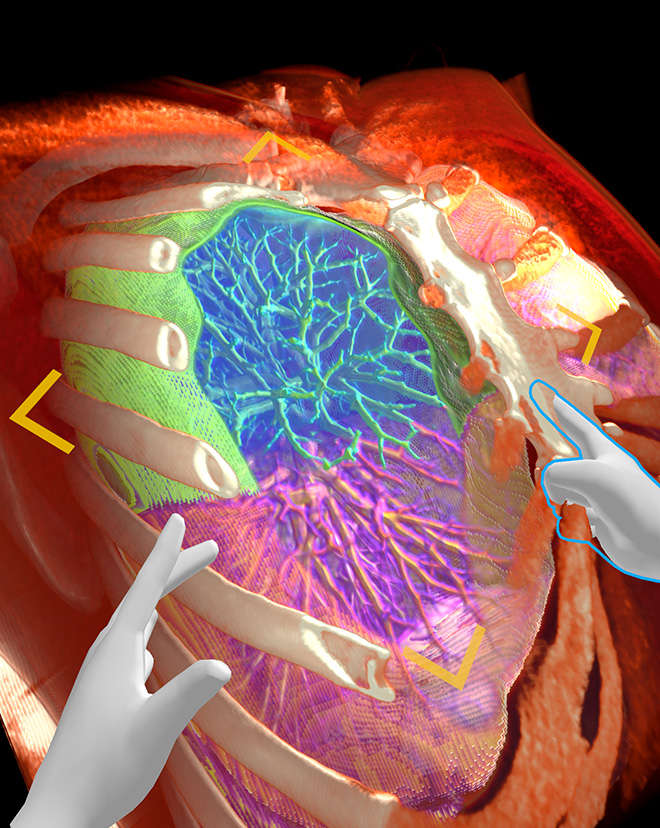
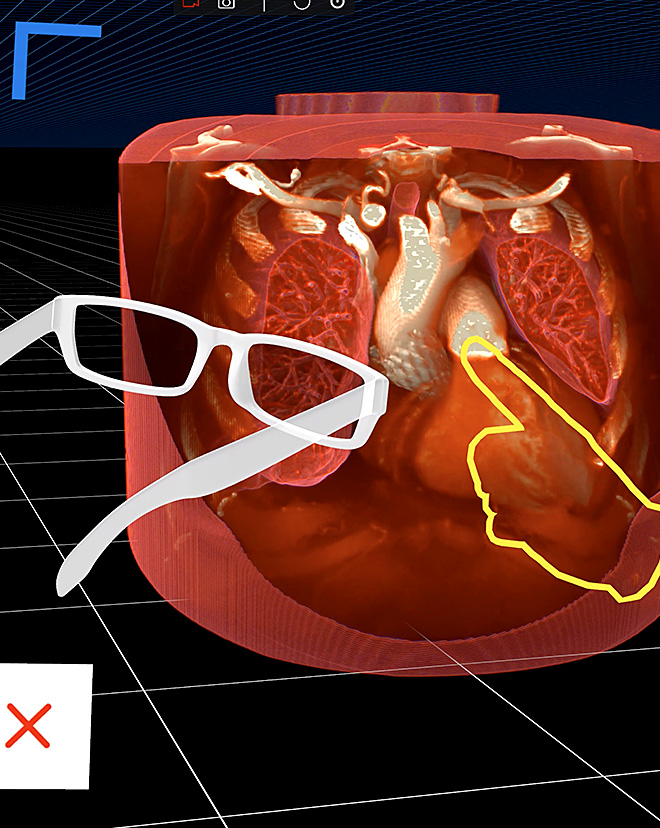
Spatial OS transforms complex DICOM data from CT and MRI data into clear, interactive 3D visualizations that clinical teams can explore together. The platform is designed for everyday hospital workflows and supports interdisciplinary communication around medical data in a shared spatial workspace.

Use Cases

Medical visual communication

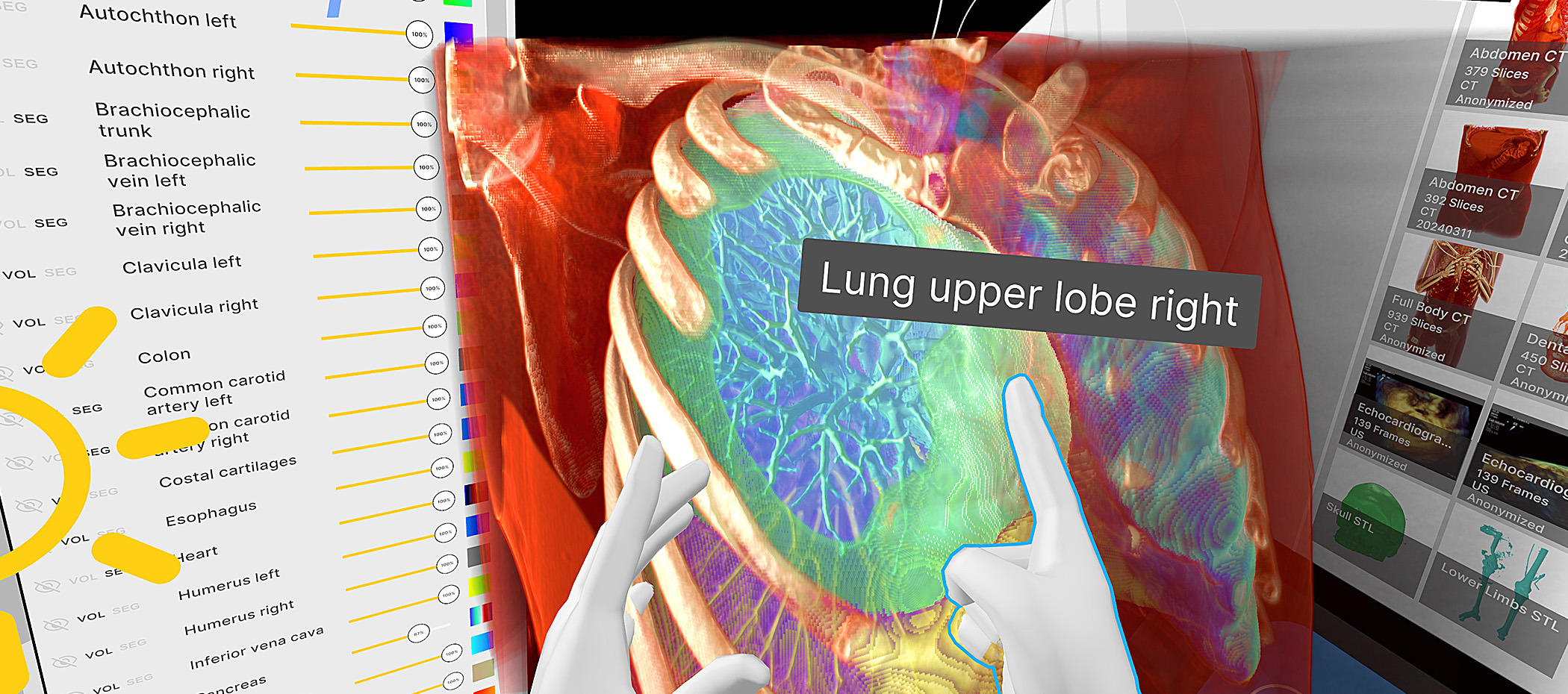
Spatial OS improves how complex medical information is shared and discussed across disciplines. By presenting imaging data as interactive 3D digital twins, clinicians from different specialties can view the same anatomy and pathology from a spatial perspective. This reduces misunderstandings that often arise from interpreting 2D slices and supports more precise clinical communication during meetings and reviews.

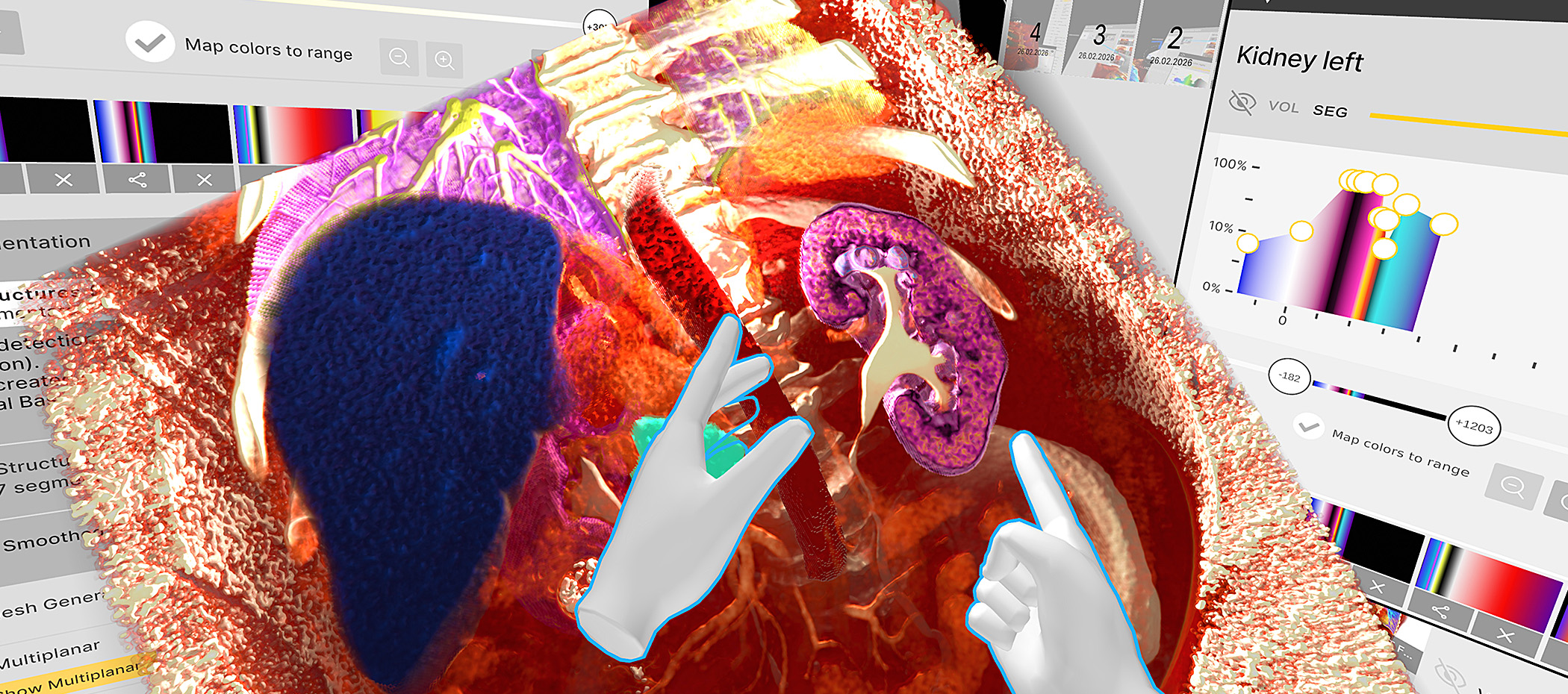
The shared spatial view helps align radiologists, surgeons, oncologists, and referring physicians around the same datasets, regardless of their primary role. Discussions become more focused and efficient, as participants can point to structures, rotate views, and clarify findings directly within the 3D scene. This supports better-informed decisions without changing existing clinical responsibilities or diagnostic authority.

Patient information

Patient understanding often improves when medical information is explained visually rather than verbally or with static images. Interactive 3D models based on the patient’s own imaging data help clinicians explain diagnoses, planned procedures, and expected outcomes in a clear and accessible way. This supports informed consent and realistic expectation setting.

By allowing patients to see and understand their own anatomy, discussions become more transparent and engaging. Clinicians can guide patients through relevant structures and findings step by step, adapting the explanation to the patient’s level of understanding. This can reduce anxiety and improve trust without adding significant time to consultations.

Remote collaboration

Remote collaboration benefits from having a shared spatial reference rather than exchanging static images or screen captures. Spatial visualization enables multiple participants in different locations to view and discuss the same 3D dataset simultaneously, maintaining context and orientation across sites. This supports remote case discussions and expert consultations.

The ability to collaborate around shared spatial data improves consistency in communication during virtual meetings, tumor boards, or inter-hospital cooperation. Participants can interact with the same 3D scene in real time, ensuring that observations and recommendations are based on a common visual understanding, even when teams are geographically distributed.

Setup

Technology and workflow

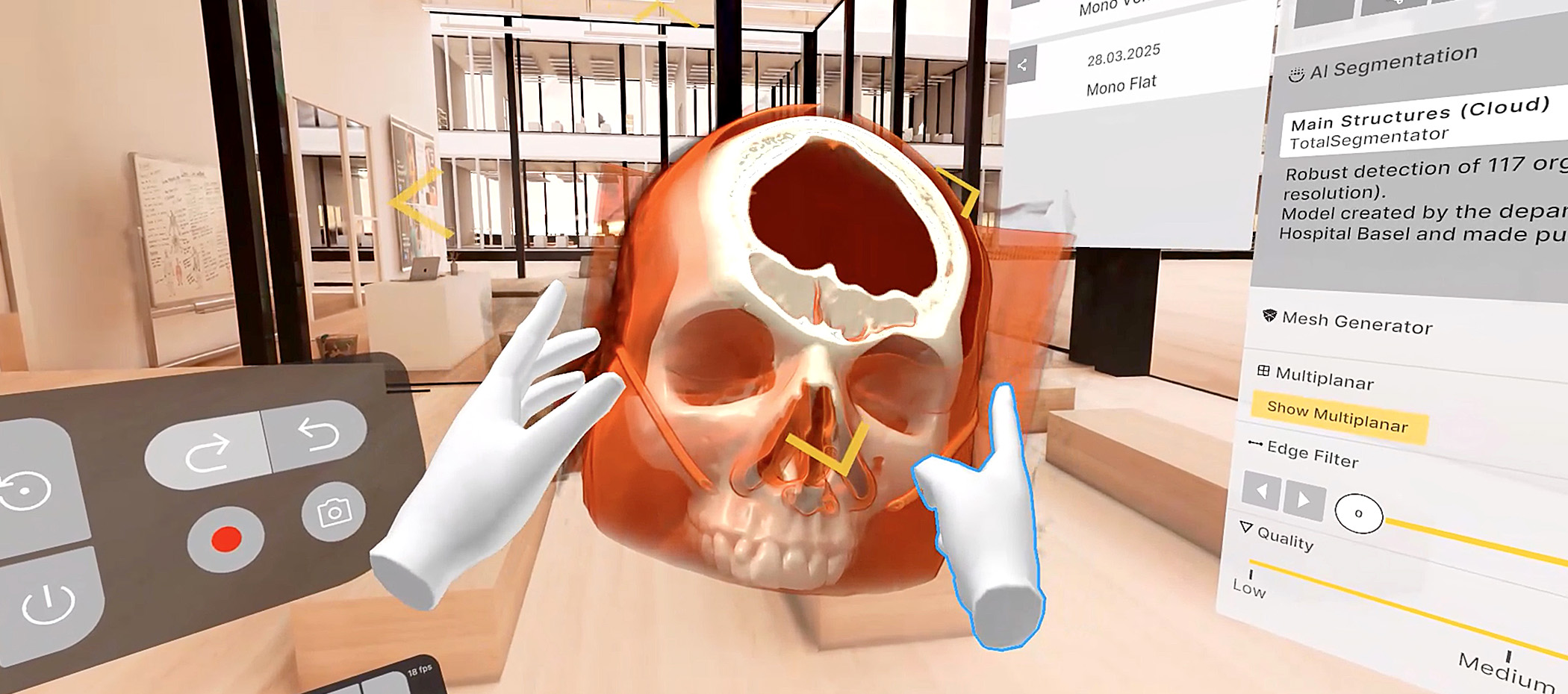
Spatial OS combines high-performance visualization with AI-based segmentation to enable rapid 3D representation of anatomy and pathology. All processing runs locally on the system, with no cloud dependency. The platform supports direct PACS connectivity and gesture-based interaction and enables secure collaboration within and across institutions in shared spatial sessions.

Advantages

Spatial OS operates as a unified system that simultaneously drives stereoscopic 3D displays, VR headsets, and 2D screens. All participants access the same datasets in real time while maintaining independent viewpoints. The platform supports DICOM data from CT and MRI as well as videos, PDFs, reports, and images, all rendered in a single workspace. Spatial sessions can be recorded with temporal and interaction context and replayed in spatial or 2D environments for review, audit, and documentation.

Data security and HIPAA-compliant data processing

All data processing takes place locally on institutional hardware. No patient data is transmitted to external servers or cloud services. The system architecture supports strict hospital data-protection policies and privacy regulations, including HIPAA. Regulatory clearance for FDA-listed use cases is in preparation.

Deployment and integration

Spatial OS can be deployed on dedicated professional hardware or on existing Windows-based hospital workstations. Turnkey installations are available via specially configured Medicalholodeck hardware, delivered preconfigured for immediate operation with minimal IT effort. Alternatively, installation on approved hospital hardware allows full alignment with internal procurement, security, and lifecycle processes.

Hardware

Spatial OS supports parallel operation across glasses-free stereoscopic 3D displays, standard 2D monitors, and PC-connected VR headsets. All connected devices share the same session state. Navigation, measurements, annotations, and dataset changes are synchronized in real time across all displays, enabling mixed-device workflows in meeting rooms, labs, and clinical environments.

Additional participants can join locally or over secure hospital networks, using either VR headsets or conventional workstations, without duplicating data or workflows.

Workstation requirements

Spatial OS is designed for GPU-accelerated local processing of large 3D medical datasets. Minimum workstation specifications are:

Performance scales with GPU and memory capacity. Higher-end configurations are recommended for large CT or MRI volumes, multi-user VR sessions, and stereoscopic 3D output.

Supported stereoscopic 3D display hardware

Glasses-free stereoscopic 3D displays supported are

These displays connect directly to the workstation GPU and operate without head-mounted equipment, making them suitable for conference rooms, tumor boards, and teaching environments. Standard 2D monitors are fully supported and can be used in parallel with 3D displays and VR devices within the same session.

Virtual Reality headsets

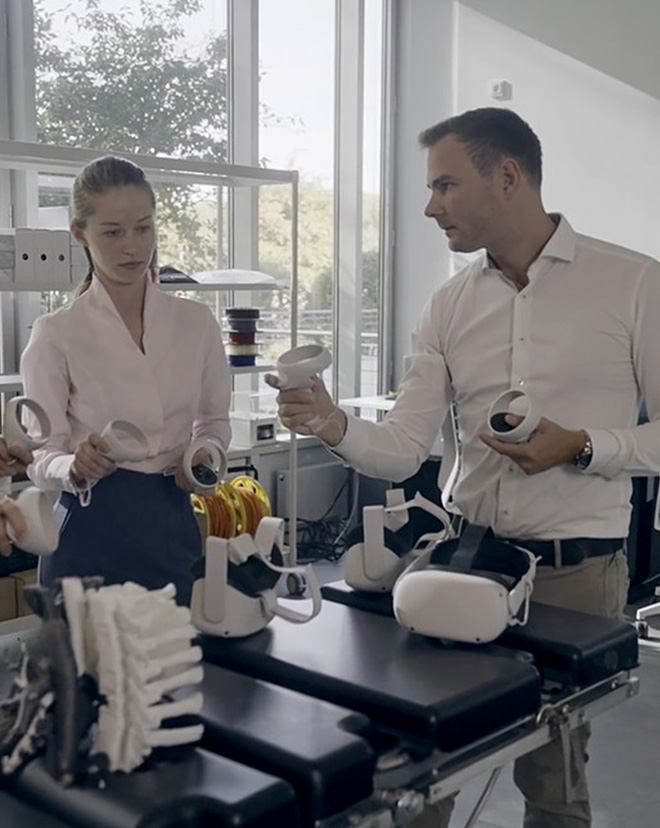
VR headsets are supported in PC-VR tethered mode, with rendering performed on the workstation GPU. Supported devices include:

VR is intended for immersive individual exploration or small-group collaboration and can be combined with 3D and 2D displays in the same workflow.

Learn more about hardware

Intended use and regulatory status

Spatial OS is intended for non-diagnostic clinical communication, training, education, and collaborative review of medical imaging data only. It is not intended for diagnostic interpretation, clinical decision-making, surgical planning, or intraoperative use. Regulatory approval processes are ongoing in the United States and the European Union.

Licensing and support

Spatial OS is offered under institutional licensing models, including per-device and per-site options. Services include onboarding, documentation, coordinated updates, hardware support, and lifecycle planning in coordination with hospital IT teams.

How to start

Download Spatial OS to get started immediately. A 14-day free trial is included.

If you need support or have questions about software or hardware requirements, contact support@medicalholodeck.com

Medical Imaging - Surgical planning and training with digital twins
Pro level
Hardware: Standalone | PC-VR | iOS i
Runs on standalone devices like Meta Quest 3, tethered PC-VR, and iOS devices.

MEDICAL IMAGING

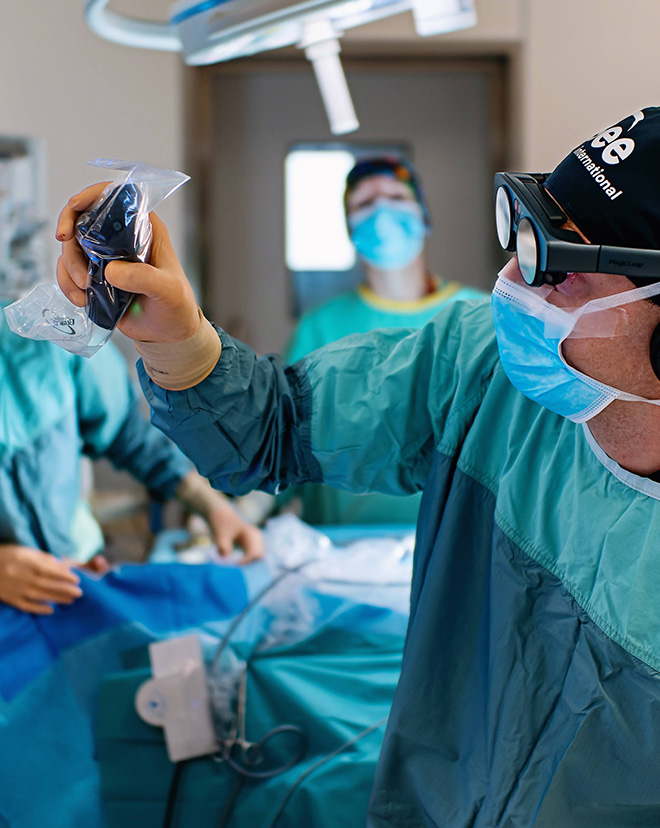
Spatial surgical training.

Learn more Buy
Medicalholodeck AI - Medical imaging and segmentation
Expert level
Hardware: PC-VR | Remote Rendering i
Runs best on tethered PC-VR. Also available on Remote Rendering.

MEDICALHOLODECK AI

Fast automatic segmentation.

Learn more Buy

RecordXR

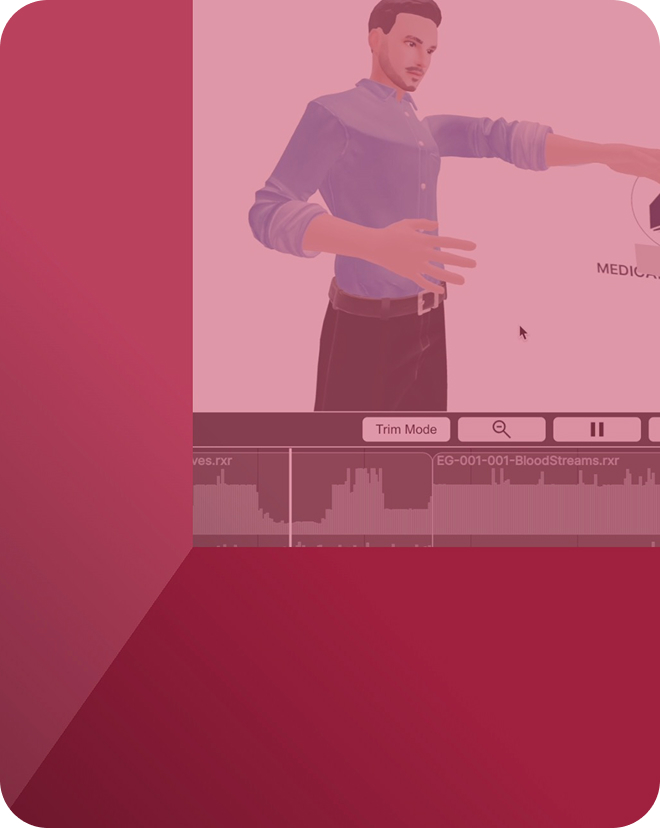
Record, replay, share.
In augmented and virtual reality.

Learn more Buy

RecordXR Studio

Spatial content editing.

Learn more Buy
Beginner level

ANATOMY MASTER

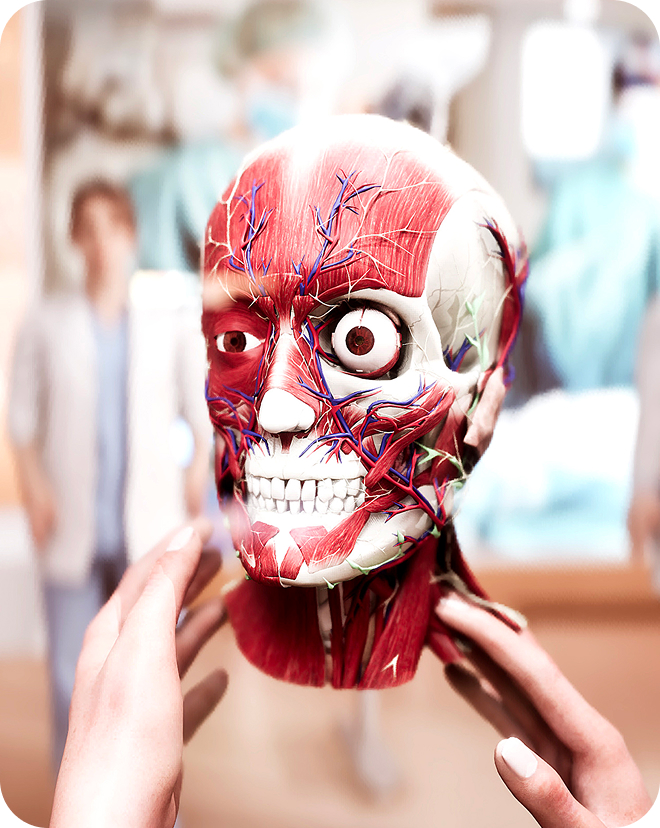
The spatial anatomy atlas.

Learn more Buy
Anatomy Master Model
Advanced level

DISSECTION MASTER

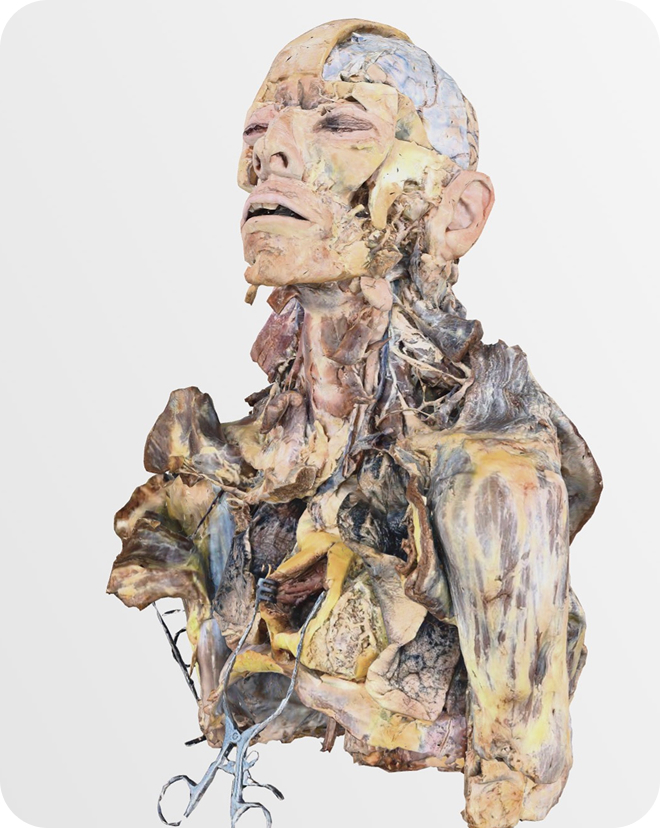
Real human anatomy.

Learn more Buy
Dissection Master Model