


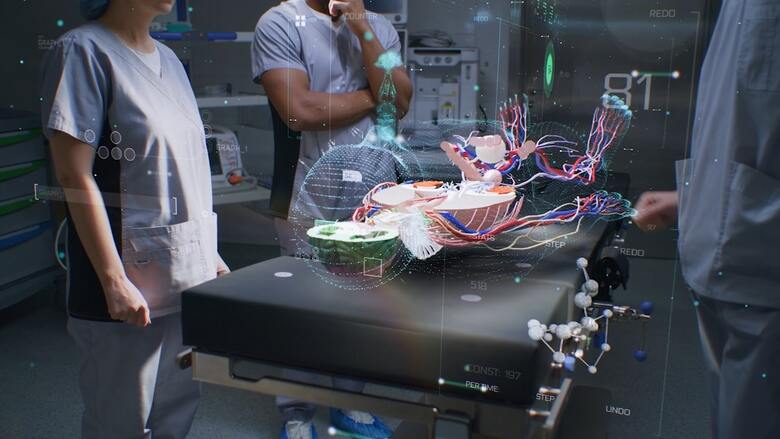

Glasses-free 3D, spatial imaging, and AI
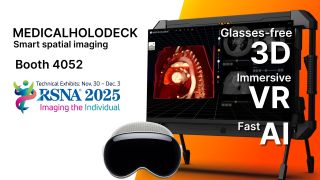
Meet us from November 30 to December 3 at the McCormick Center in Chicago at booth 4052. Discover how smart spatial imaging and AI can support clinical work, training, and medical decision-making.
Read more
Meet us from November 30 to December 3 at the McCormick Center in Chicago at booth 4052. Discover how smart spatial imaging and AI can support clinical work, training, and medical decision-making.
Read more
Publication
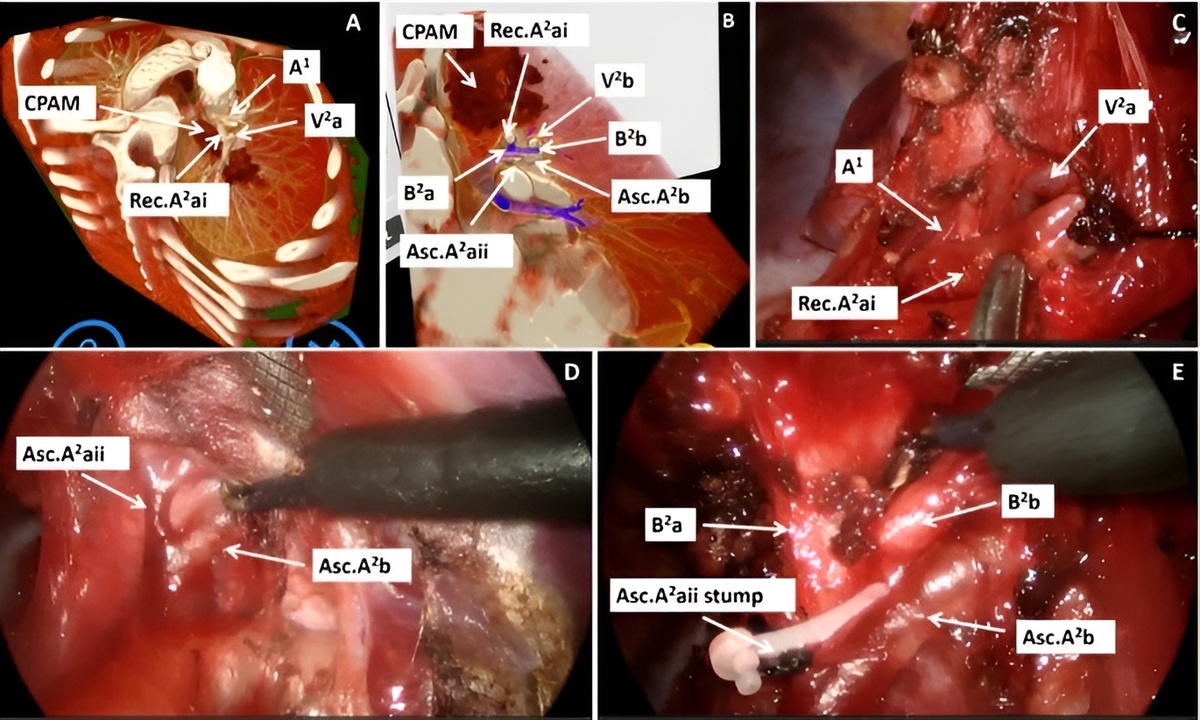
Video-assisted thoracoscopy treats congenital cystic lung malformations while sparing healthy tissue, but surgeons need detailed patient-specific insights that 2D and 3D views often cannot provide. Researchers from Nanjing Medical University and Qinghai University used Medicalholodeck to create patient-specific 3D VR models, improving recognition and spatial understanding of complex anatomy.
Read more
Publication
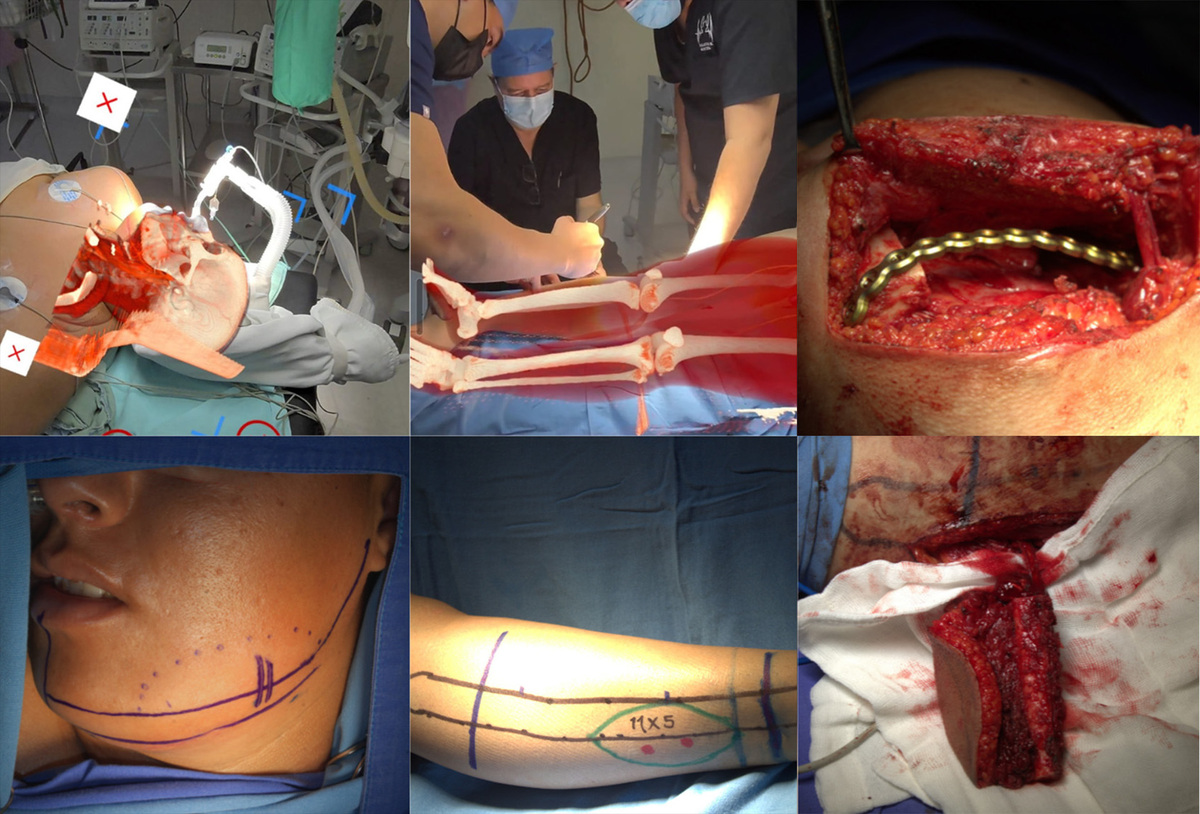
Reconstructing large mandibular defects remains one of the most demanding procedures in head and neck surgery. Tumor-related bone destruction affects chewing, facial symmetry, speech, and patient quality of life.
Read more
News
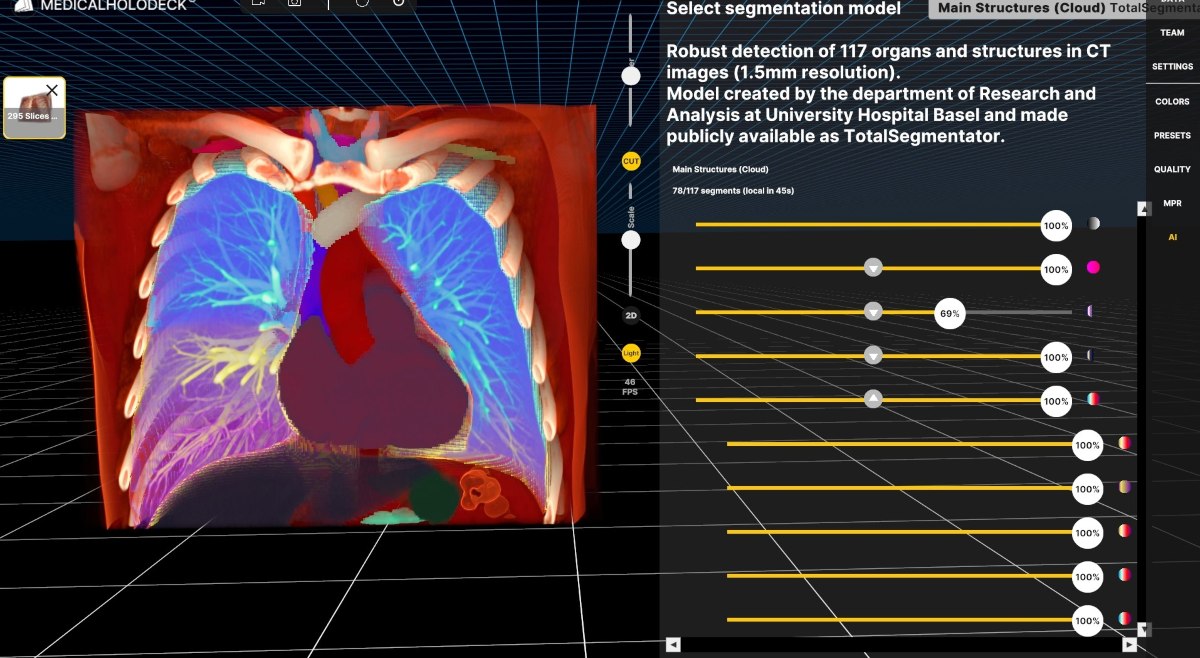
Glasses-free 3D screens have evolved into precise visualization systems for medicine, offering real spatial depth without headsets or glasses. With advances in resolution, real-time eye tracking, and AI rendering, they now meet the accuracy and reliability required for medical imaging.
Read more
Publication
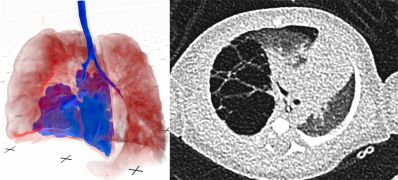
Early detection and timely surgery are key for healthy lung development in babies. Low-dose CT scans reduce radiation but make images harder to interpret. Researchers at the University of Bonn created patient-specific 3D digital twins viewable in VR, improving visualization, spatial understanding, and collaborative decisions for the smallest patients.
Read more
Publication
Virtual reality offers new opportunities in orthopaedic trauma care, enabling surgeons to explore fractures and plan implants in 3D. NHS Greater Glasgow implemented a VR system using Medical Imaging XR by Medicalholodeck, integrating patient CT scans and virtual implant models to assess its feasibility and benefits for trauma planning.
Read more
Publication
Traditional surgical education relies on anatomical models, textbooks, 2D images, and cadaver training. A pilot project at the University of Bonn explored whether immersive virtual reality can enhance case-based learning in thoracic surgery using real patient CT data.
Read more