Logo

MEDICALHOLODECK®

SPATIALS

Spatial Imaging for
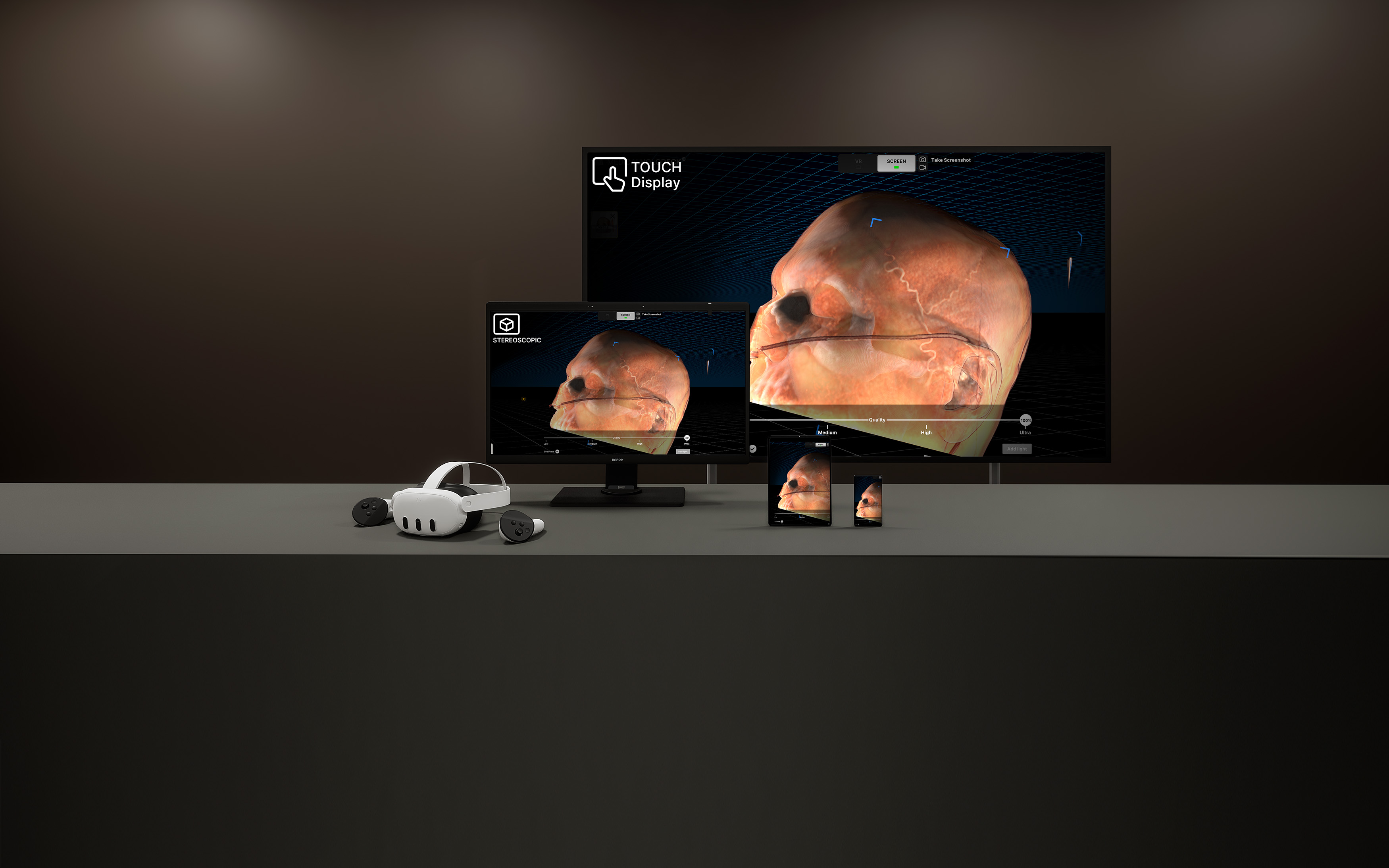
PC · Virtual Reality · 3D Display · 2D Display

Learn more
Medicalholodeck AI - Medical imaging and segmentation
Expert level
Hardware: PC-VR | Remote Rendering i
Runs best on tethered PC-VR. Also available on Remote Rendering.

MEDICALHOLODECK AI

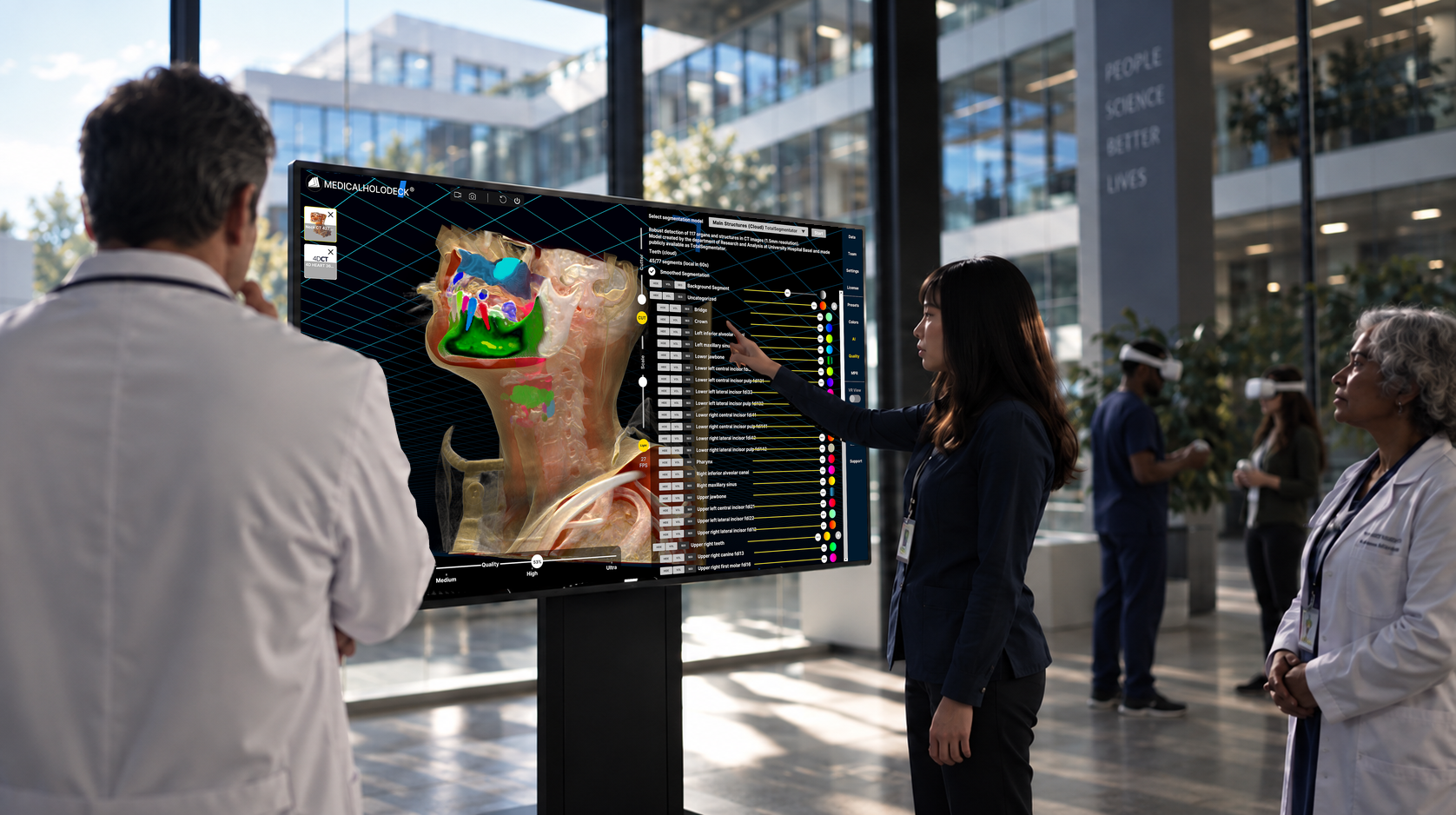
Fast automatic segmentation.

Learn more Buy
Medical Imaging - Surgical planning and training with digital twins
Pro level
Hardware: Standalone | PC-VR | iOS i
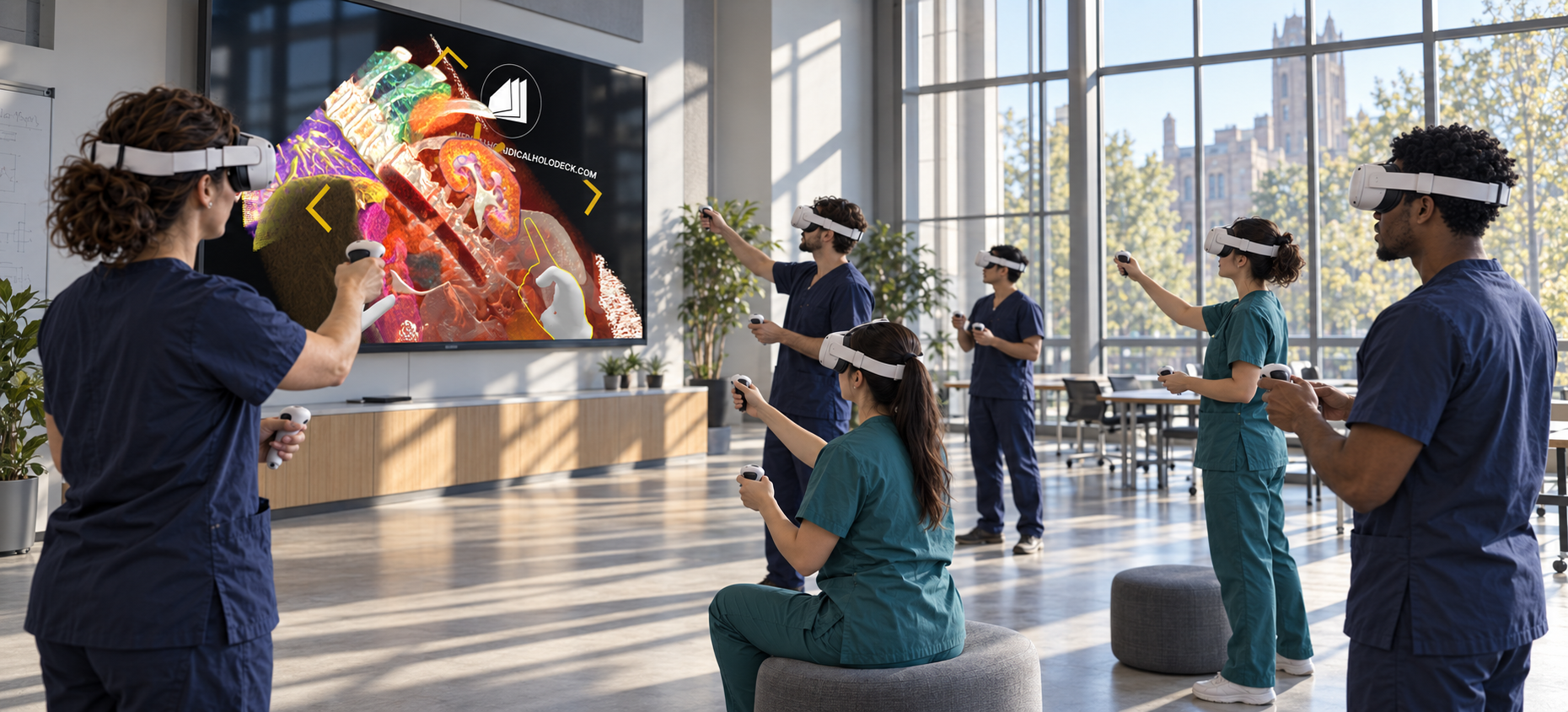
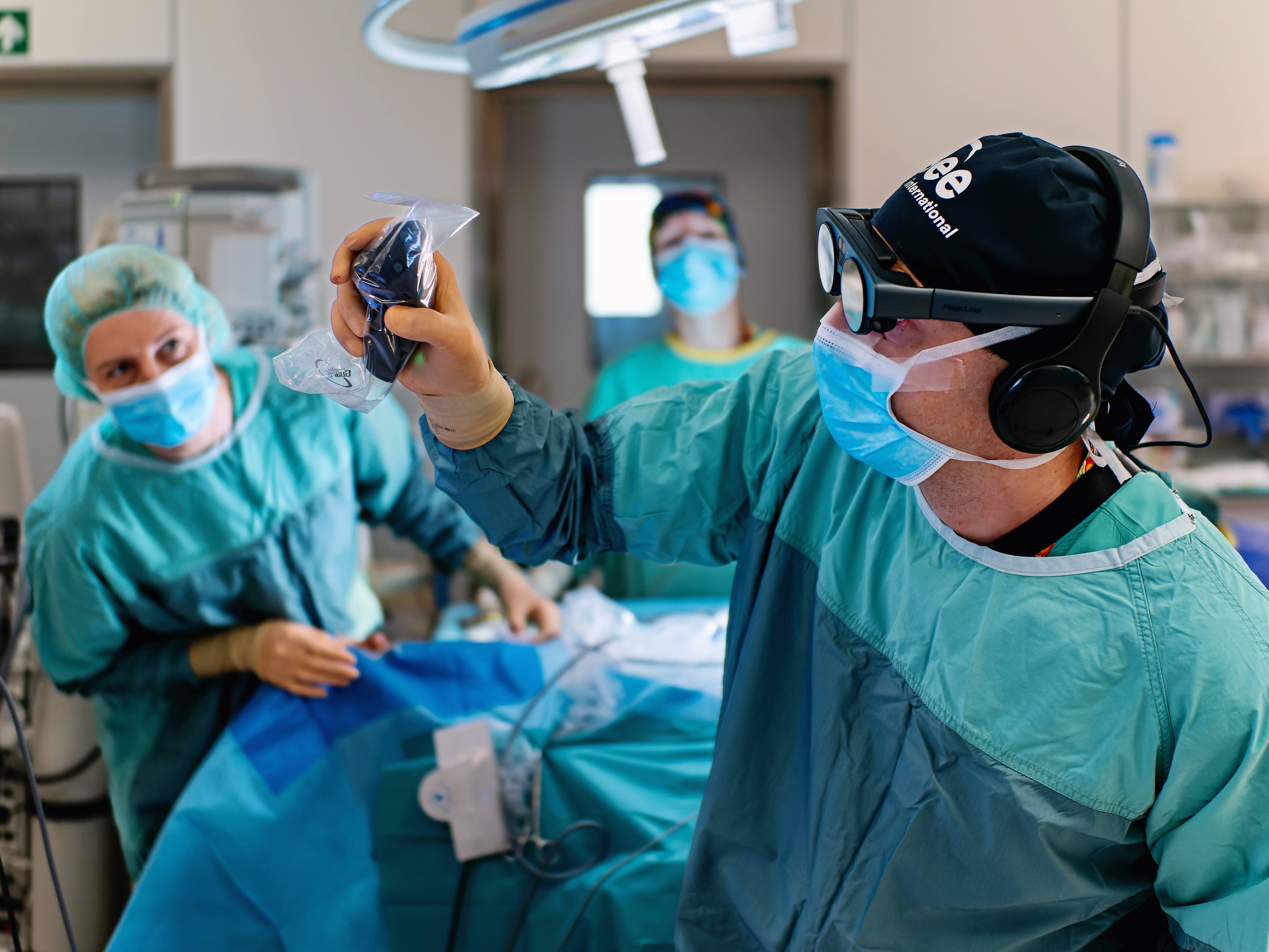
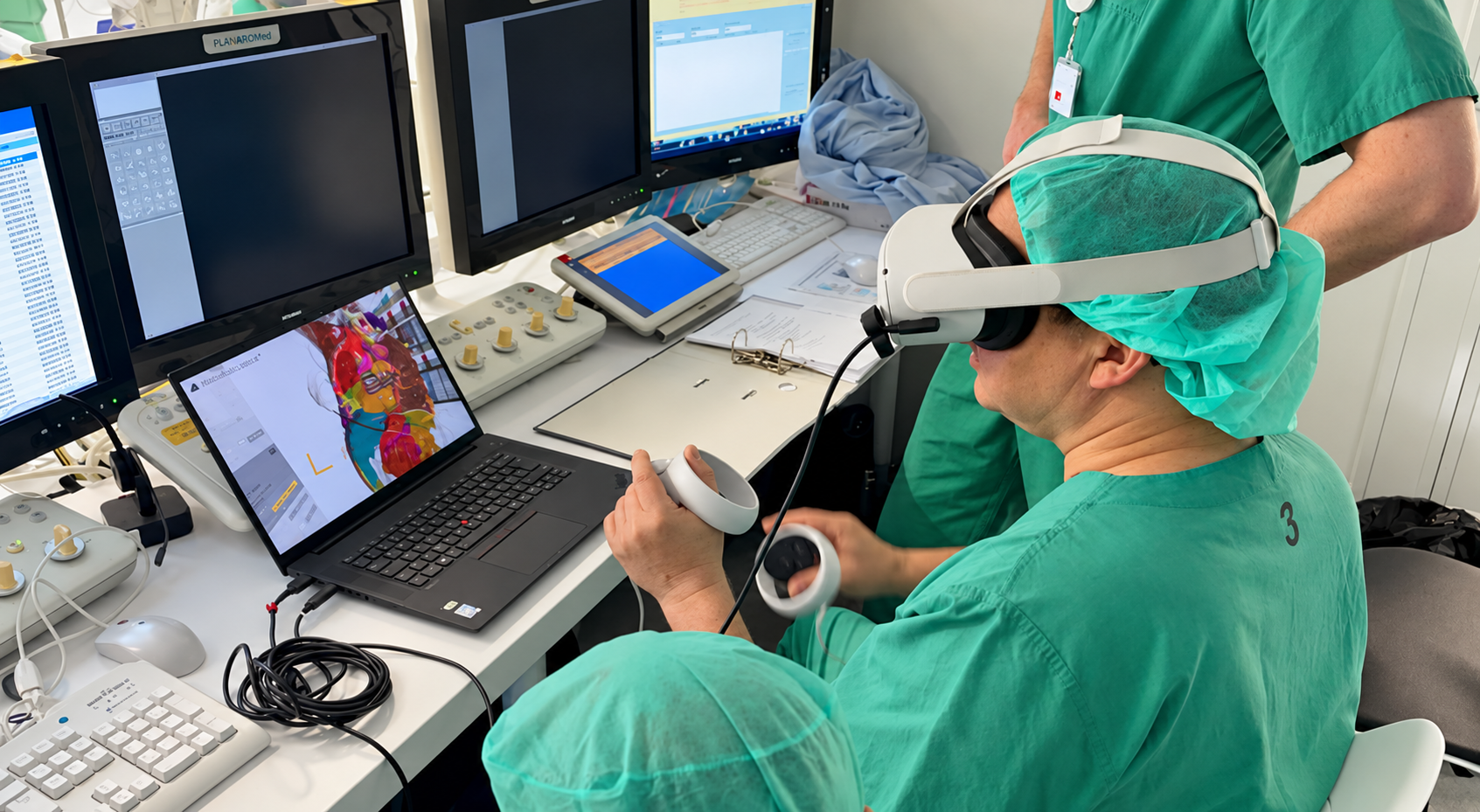
Runs on standalone devices like Meta Quest 3, tethered PC-VR, and iOS devices.

MEDICAL IMAGING

Spatial surgical training.

Learn more Buy
Advanced level
Hardware: Standalone | PC-VR | iOS i
Runs on standalone devices like Meta Quest 3, tethered PC-VR, and iOS devices.

DISSECTION MASTER

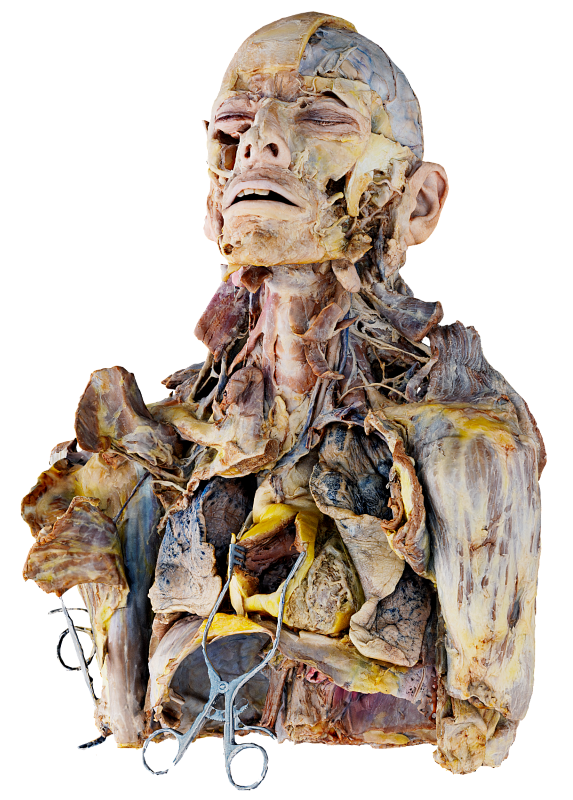
Real human anatomy.

Dissection Master Model
Beginner level
Hardware: Standalone | PC-VR | iOS i
Runs on standalone devices like Meta Quest 3, tethered PC-VR, and iOS devices.

ANATOMY MASTER

The spatial anatomy atlas.

Learn more Buy
Anatomy Master Model
mh-logo

Download

Free trial included

mh-logo

Buy

Starting from EUR 39

mh-logo

Get news

mh-logo

Connect

LinkedIn YouTube

Transforming neurosurgery
and patient care with VR

Learn more
February 2026 update

Improved imaging, segmentation,
and TeamXR: February update

Learn more

RecordXR

Record, replay, share.
In augmented and virtual reality.

RecordXR Studio

RecordXR Studio

Spatial content editing.

Update

Improved imaging, segmentation, and TeamXR: February update

Better imaging quality, bigger teams in TeamXR, and segmentation improvements: This update brings sharper, faster imaging with raymarch rendering, allows TeamXR sessions of up to 40 users for more effective collaboration, and enhances segmentation with smoother visuals, intuitive editing, and labeled structures.

Read more
Spatial computing for minimally invasive spine surgery User story

Spatial computing for minimally invasive spine surgery

Minimally invasive spine surgery (MISS) works through very small anatomical corridors, reducing tissue damage and recovery time. This also limits orientation: the operative field is narrow, depth perception constrained, and landmarks may be obscured. The learning curve, especially for younger surgeons, is steep.

Read more
VR in head and neck oncology Publication

VR in head and neck oncology

A narrative literature review by Dubray-Vautrin et al. highlights the implementation of virtual reality in head and neck oncology, emphasizing its role in improving clinician training, optimizing therapeutic planning, and strengthening interdisciplinary communication.

Read more
Biopsy in endometrial cancer using AR and MR Publication

Biopsy in endometrial cancer using AR and MR

Sentinel lymph node biopsy offers a less invasive alternative to full lymphadenectomy in endometrial cancer, reducing complications while maintaining diagnostic accuracy. In a study from Shiga University of Medical Science, augmented and mixed reality technologies helped the surgical team accurately perceive the three-dimensional relationships between lymph nodes and surrounding critical structures.

Read more
Spatial imaging in complex tear duct surgery Publication

Spatial imaging in complex tear duct surgery

Virtual reality lets surgeons explore patient anatomy in 3D before entering the operating room, facilitating complex tear duct procedures. A recent study from the Military Institute of Medicine in Warsaw shows its use in endoscopic dacryocystorhinostomy.

Read more
Mixed reality intraoperatively Publication

Mixed reality intraoperatively

Mixed reality, alongside other spatial technologies, is increasingly adopted in medicine, particularly in surgery, where they contribute to improved clinical outcomes and enhanced patient safety. A recent literature review aimed to assess the role of mixed reality in surgical practice.

Read more
Publication

History of spatial computing in spine surgery

Spine surgery has always prioritized precision due to the complexity of spinal anatomy and the severe consequences of error. While surgeons have traditionally depended on refined tactile and visual skills, the growing complexity of modern spinal procedures has brought the need for more advanced visualization techniques.

Read more
More news